



Sky’s New Limit: Dubai Creek Tower Revival 2026
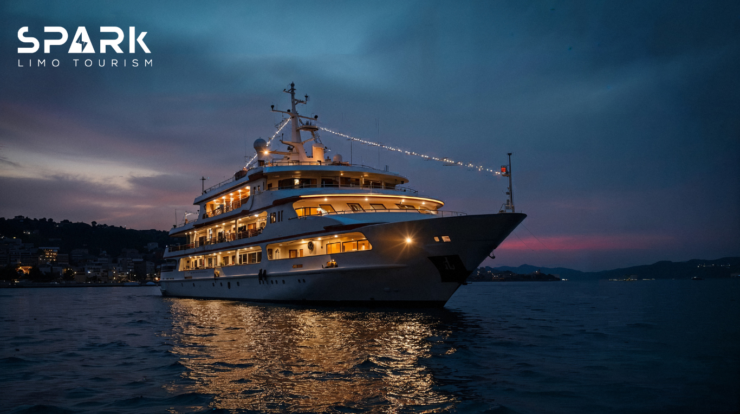
For years, Dubai Creek Tower felt like one of those projects everyone remembered. But no one expected to hear about it again. Now, it’s showing real signs of life, and 2026 looks like the most realistic revival window yet. In fact, this is not hype popping up out of nowhere. After years of inactivity, recent developments around Creek Harbour, infrastructure work, and tourism planning suggest the project is back under consideration. Alright, let’s explore what the revival really means, what’s confirmed, and how it could reshape Dubai’s skyline and waterfront experiences.
What is Dubai Creek Tower?
Dubai Creek Tower has long been planned as a major observation and cultural landmark for Dubai Creek Harbor. More than that, it was envisioned as the city’s next architectural chapter after Burj Khalifa. The tower was planned as a central element of the wider Dubai Creek Harbour master plan. And it was intended to stimulate tourism, real estate interest, and long-term economic activity.
The project was first officially announced in the mid-2010s. The project was designed by Spanish architect Santiago Calatrava and selected through an international design competition. Early plans suggested the tower would exceed the height of the Burj Khalifa. Unlike a conventional skyscraper, the design focused on a slender, cable-supported structure with public viewing platforms rather than offices or residences. The design is influenced by Islamic minarets and natural forms.
The project completed its massive pile cap and foundation works, using more than 50,000 cubic meters of concrete. On top of that, its engineering systems underwent testing to global standards. Despite this progress, the project was formally paused during the COVID-19 period. Since then, it has remained in a pre-construction or planning state for several years.
Why was the Dubai Creek Tower Paused, and Why it’s Back in the Conversation
The Creek Tower project was paused mainly due to design revisions and broader market conditions during and after the pandemic. In the meantime, the original concept underwent major reassessment before the project could move forward again.
And the good news? The situation has now changed. Emaar Properties, the master developer behind Dubai Creek Harbour and Burj Khalifa, has confirmed plans to issue a new construction tender within the next three months. It’s a clear sign the project is moving from planning into active development.
This is relevant because the pause is no longer a sign of abandonment. Instead, it signals a strategic pause aligned with market confidence and urban development priorities in Dubai. Because tourism demand and infrastructure are already in place, the tender indicates the project is ready for execution.
What Exactly is Changing Around the Project in 2026?
What’s changing is project readiness, not public messaging. Planning activity around Dubai Creek Harbour has changed from residential-only development to infrastructure capable of supporting a major landmark. The planning process now focuses on structuring access roads, transport connections, and plot coordination to handle a large volume of visitors.
Alongside this, Emaar has moved the project back into its execution pipeline. This is indicated by internal approvals and preparations for a new construction tender. These steps generally occur only when scope, funding, and delivery timelines are in place. That points to 2026 as a realistic restart period.
How Could This Reshape Dubai’s Skyline and Waterfront Experience?
It pulls visual attention eastward. For now, though, most of the skyline discussions continue to circle Downtown and the Marina. The Dubai Marina Tower zone feels dense, vertical, and energetic, while Creek Harbour is calmer and more spacious. A landmark here wouldn’t compete directly; it would balance the city visually and experientially.
For residents, this means a new skyline angle. For visitors, it pulls attention toward a new part of the city that feels different from the usual high-rise corridor. It indicates how Dubai has been spreading major attractions across different districts rather than clustering them in one place.
What Does This Mean for Residents, Visitors, and Cruise Lovers?
It means better flow, not more crowding.
- Residents get a new leisure zone that doesn’t feel as congested as Downtown
- Visitors can split sightseeing between Marina, Creek, and old Dubai more naturally
- People already planning a Dhow cruise Dubai Marina experience may extend their plans to include Creek-side areas
Instead of everyone leaning on to the same sunset view, the city gains multiple vantage points that serve different moods.
Is this Good for Dubai Tourism or Just Another Headline Project?
It’s good only if it connects to everything around it, and that’s what seems to be happening.
It’s good only if it connects experiences, and signs suggest that’s the plan. That’s how tourism in Dubai works now. Tourists don’t just visit one landmark and leave. Instead, they spend time in the whole area around it.
That’s why people now think in terms of skyline views, waterfront walks, dining zones, and evening activities together. Even the way folks plan habits has changed. Instead of booking one, they increasingly group experiences together, such as a dhow cruise marina booking along with nearby attractions.
The case for reviving Dubai Creek Tower lies in how it connects with today’s experience-driven tourism.
Why Spark Limo Tourism fits into this moment
Big landmarks create excitement, but travelling between places? That’s where the real problem usually is.
As areas expand, visitors struggle with timing and transport gaps. Spark Limo Tourism bridges that in-between space. And help people travel easily between marina zones, waterfront experiences, and skyline stops without the obvious struggle. Our team knows when traffic builds, when views are best, and how plans fall apart if you don’t plan properly. When you really know the city, things just stop feeling complicated.
Conclusion
So yes, Dubai Creek Tower feels closer now than it has in years. That’s not based on rumors, but on the fact that the surrounding pieces are finally coming together. If you’re planning a future Dubai trip, now’s the time to look at the bigger picture rather than thinking about individual attractions.
And when you want that plan to actually flow, Spark Limo Tourism is ready to make it happen.
FAQ
Is Dubai Creek Tower officially confirmed to open in 2026?
No official opening date has been announced yet. However, planning signals and infrastructure alignment point to renewed focus on Dubai Creek Harbour. Together, these suggest 2026 is a realistic revival phase rather than a guaranteed launch year.
How is the Dubai Creek Tower different from other towers in Dubai?
Unlike most towers built for commercial or residential purposes. But Dubai Creek Tower is designed mainly as an observation landmark, prioritizing views, public access, and skyline identity.
Will the Dubai Creek Tower affect tourism and waterfront experiences?
Yes. A revived Dubai Creek Tower would probably pull more visitors toward Creek Harbour. People would start exploring the area more, walking along the waterfront, and pairing it with things like marina cruises.
Is the Dubai Creek Tower meant to break height records again?
Height is not the main focus now. However, the Dubai Creek Tower may still rank among the world’s tallest structures. But its real value lies in symbolism, visibility, and experience design.