



Burj Khalifa Speciality: More Than Just the World’s Tallest Tower
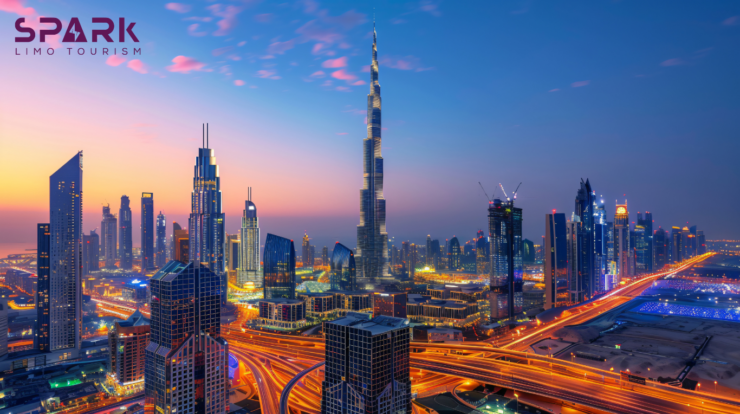
Most travelers arrive knowing the tower is tall. But the moment you stand under it, the Burj Khalifa speciality hits in a completely different way. The short answer? Its significance isn’t its height. Instead, it’s the mix of engineering, atmosphere, and emotion that settles in before you even get inside. Families, business visitors, and even people in a hurry sometimes pause in the middle of walking. That’s because they are amazed at how big everything looks, since the size makes it hard to judge distances. That pause says more than any statistic. The real story here is how the building shapes your movement, your expectations, and honestly, your curiosity. And that’s long before you step into the elevator.
What parts of the tower’s design explain why so many visitors pause before even entering?
You pause because the structure forces you to. That’s the simplest answer. The base is wide, unfamiliar, and angled in a way that makes you adjust your footing as you look up. The building’s shape draws your eyes upward, and almost everyone ends up tilting their head.
According to publicly available engineering briefs, the Y-shaped base helps manage wind loads while giving the structure its signature look. As you walk from Dubai Mall toward the plaza, the reflections on the building change with every step. And this gives the building a lively, moving feel. Spark Limo Tourism often notices the same reaction from travelers. They stop before they mean to, almost on instinct.
How does the inside experience change your understanding of the tower’s purpose?
Inside, you realize the building isn’t just one experience. It’s several, stacked vertically. That’s the real shift. The sound softens as you move inward, and the lighting changes by floor. Meanwhile, the air circulation makes the lobby feel cooler than the walkway outside. Decision points appear immediately: how long you have, whether visibility is good, and how sensitive you are to crowds. If you are watching budgets or planning timing, this is where Burj Khalifa ticket price becomes part of the calculation. Actually, it’s not as a sales decision, but as a way to match experience to expectations.
Moving upward, the transitions from elevator to deck feel deliberate, almost like the building wants you to slow down. That intentional pacing shifts your perception of the structure’s purpose.
Where does the tower fit within a wider Dubai itinerary?
It fits as an anchor, not an isolated stop. That’s the honest answer. You can spend a full day in the Downtown area at a comfortable pace. Dubai Mall, the promenade, and the fountains are just part of the experience. Nearby districts make the tower feel like part of a larger loop rather than a single attraction.
Travelers often connect it with a Dubai city tour, especially when time is tight. The building becomes the reference point: “before the tower,” “after the tower,” or “we’ll circle back toward the tower.” Daytime visits help you understand the geometry of the city. On the other hand, nighttime visits show how much of Dubai’s personality comes from lighting and streetscape design.
A typical route looks like this. Arrive by metro or rideshare, then walk through the mall and follow the signage to the lower ground level. Take your time at the deck, step outside to enjoy the water. And finally decide whether you have the energy to explore another district. That rhythm is why the tower fits comfortably into both short stays and longer itineraries.
What unexpected learning moments do people talk about after their visit?
Most people mention perspective because the view shifts what you think you know about the city. That’s the straightforward answer. From above, you can see how the streets and roads connect. You will notice the curves of the coastline. You can see why some certain districts feel separate even when they are close on a map. The other surprise is how weather shapes the whole experience. Visibility in Dubai can drop fast, and visitors don’t realize how much this affects color, contrast, and horizon clarity.
Some travelers compare the deck view with a helicopter ride Dubai, saying the difference isn’t height. In fact, it’s motion. On the deck, you are anchored; in the air, you’re briefly part of the landscape.
A simple preparation checklist helps most visitors avoid frustration:
- Check visibility before leaving your hotel
- Carry water (the mall walk is longer than expected)
- Keep a lens cloth for humidity
- Plan recovery time afterward
- Note elevator wait ranges around peak sunset hours
If you step back from the hype, what does the tower actually represent in the region today?
When you think about the Burj Khalifa speciality, part of it now lies in how the city has adapted around it. It represents a marker of urban identity more than a competition for height. That’s the clear answer once you have had time to reflect. Over the past decade, reports from regional planning authorities (UAE, 2013–2023) have highlighted the tower often. They describe it as a symbolic center of Downtown Dubai’s growth rather than the city’s defining feature. Travelers who return after a few years often mention how the surrounding districts feel more connected than before. And interestingly, it’s as if the city grew inward toward the tower.
There is also a trade-off to think about. And as you’d expect, things like maintenance, energy use, and operational complexity are still debated by engineers and sustainability researchers. But the cultural impact of weddings, proposals, landmark photos, and architectural studies has settled into daily life.
Conclusion
Stepping back, you realize the Burj Khalifa speciality isn’t a single trait. In fact, it’s the collection of small moments that shift how you read the city, from the walk up to the view down. If you want help planning your timing or matching experiences, get in touch with Spark Limo Tourism. Honestly, the only real way to understand the tower is to see how you feel when you look up that first time.